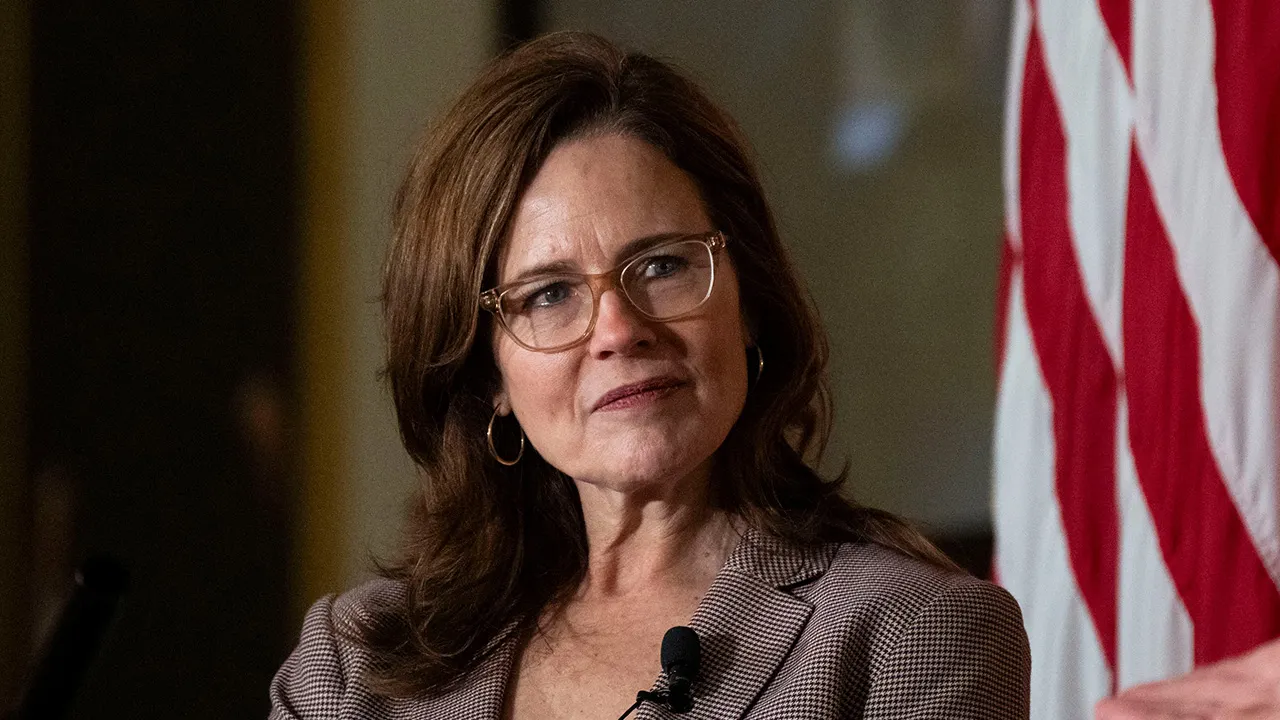
STEPHEN MOORE: Trump can make foreign countries pay their fair share of the drug


NEWNow you can listen to Fox News articles!
The United States spends more on health care, on a per capita basis, than any other country in the world. There are many reasons why, including health insurance companies. But another reason has been overlooked: foreign governments maintain price regulations that limit what they pay for drugs. The disparity has been concentrated in the United States, with the result that Americans pay a disproportionate share of the world’s drug costs.
These drug pricing schemes need to be called out for what they are: trade distortions. And the Trump administration should treat this distortion as it would any other trade distortion: with remedies available under US trade law, starting with an investigation into discriminatory practices.
Countries like Germany, France, and Japan impose government price mandates, mandatory rebates, and strict market controls that include what they pay for drugs below US market prices. That binds the producers. They can accept punitive policies from these countries or get their products banned from these countries.
HHS SEC ROBERT F KENNEDY JR: AMERICAN PATIENTS PAY MORE SO OTHERS PAY LESS — THAT STOPS NOW
Disabled Male Patient Sitting In A Wheelchair Being Vaccinated At Home By A Female Doctor (Stock)
Predictably, manufacturers have accepted the terms, with the result that the United States has had to cover a large portion of global research and development costs. Those costs are included in the prices American patients pay.
Recent developments in Germany show just how fast this shift is. In April, the German government made a major austerity proposal. This plan would increase mandatory rebates associated with the growth of public insurance, strengthen volume pricing rules for automatic sales-driven increases, and allow selective contracting for all classes of patented drugs.
The practical effect is to further suppress the price and limit returns to the lowest cost option within the category. Now France, Japan, and Switzerland are pursuing similar approaches. This is a broad trend across all major US trading partners, and Americans will also get the shaft.
Countries that maintain these twisted pricing systems often describe them as nothing more than domestic health care policy, designed to limit costs and promote fiscal discipline. But when governments put price controls below the levels that would exist in a market-based system, they reduce the global income that supports innovation. They also shift cost recovery to markets that don’t impose those constraints. The United States has become that market.
These policies amount to non-tariff trade barriers, and can be resolved through US trade law. There is one measure in particular.
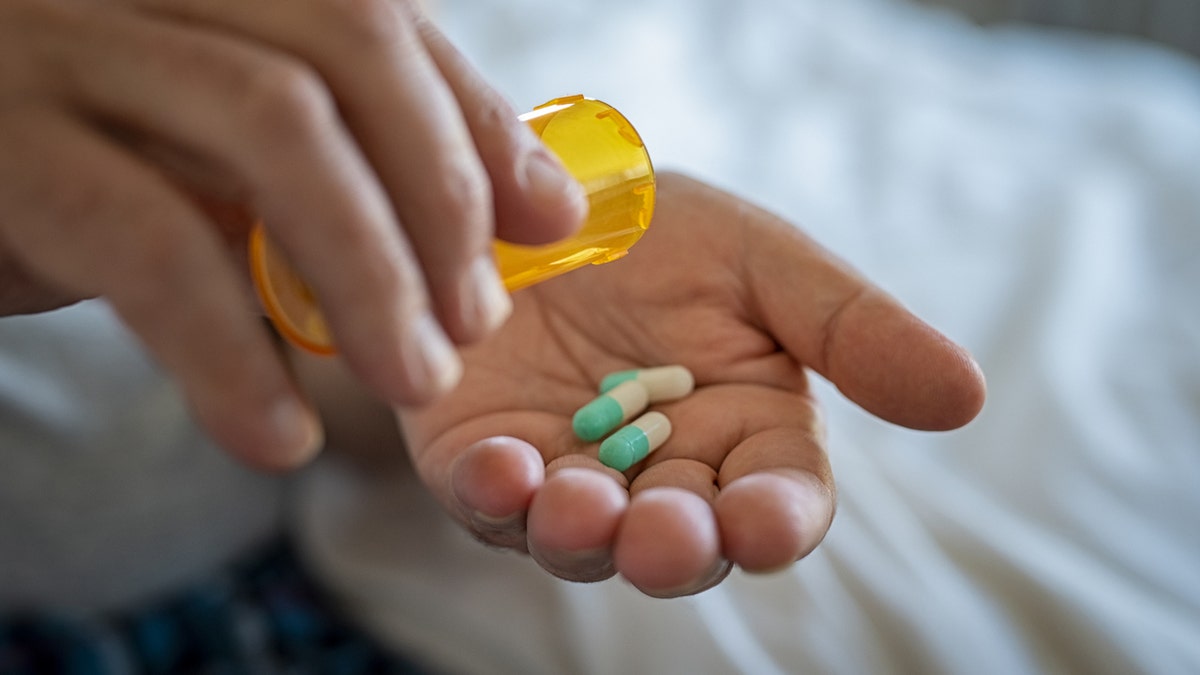
Close-up of a person’s hand pouring pills into a pill bottle in the hand. A senior man who takes a daily pill to eat. Close men’s hands to take the daily dose of the drug. (Stock)
Section 301 of the Trade Act of 1974 authorizes the United States to investigate and respond to foreign government practices that are unreasonable or discriminatory and burden or restrict US trade. It has been used in a variety of non-tariff barriers, including intellectual property laws and digital services taxes. Drug pricing systems that depress global revenues, and shift costs to American consumers, clearly fit within that framework and warrant legal scrutiny.
It is time for pharmaceutical prices to be treated as a core issue in trade negotiations. And the Trump administration has been moving in that direction. The Voluntary Nation’s Most Favored Nation pricing arrangement aims to rebalance what American patients pay without imposing domestic price controls. The administration is reportedly considering a Section 301 action, which suggests a growing determination to go beyond domestic law alone. That can’t happen soon enough.
America’s trading partners should be pressured to use balanced methods that reflect the fair distribution of drug development costs. A Section 301 investigation will establish the evidence base needed to pursue that outcome and demonstrate that the current status quo is no longer acceptable.

An old man holding a medicine in his palm (Stock)
CLICK HERE TO DOWNLOAD THE FOX NEWS PROGRAM
There is also broad public support for the practice. Recent polls show that a majority of Americans believe that other countries should pay a fair share for drugs. That feeling shows a basic principle. A system where one country continuously subsidizes global innovation is unsustainable.
For decades, the United States has been a leader in drug innovation, improving the lives of millions of people around the world. But there is no guarantee that this will continue. And it may not happen if US companies are forced to fund innovation. It is time for the Trump administration to use the tools available to redress the balance and help ensure that pharmaceutical innovation continues.
CLICK HERE TO READ MORE FROM STEPHEN MOORE