
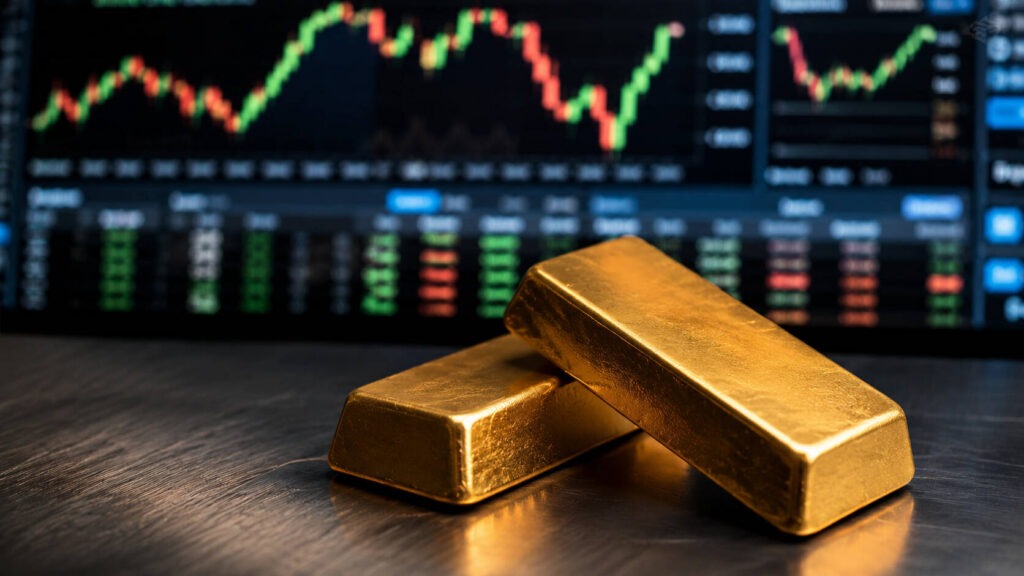
Gold fell below $4,550 an ounce on Tuesday as traders reacted to renewed military tensions involving Iran, rising Treasury yields and growing concerns that another energy shock could keep borrowing costs higher in the global economy.
This move has the markets unprepared because gold will generally rally during times of global conflict. Instead, attention has shifted to the risk of inflation, the debt crisis and the possibility that interest rates could remain high for a long time.
The latest response followed reports that US forces targeted missile sites and ships suspected of preparing sea mines in southern Iran. The US Central Command said the operations are aimed at protecting US forces in the region. President Donald Trump later said that talks with Tehran were going well but warned that more attacks could follow if the talks fail.
Gold is now down about 15% since the conflict began, a reversal that highlights how investor concerns have changed in the past few weeks. Traders no longer respond only to war topics. They are looking at what further increases in energy prices could do to inflation as businesses and households adjust to years of expensive borrowing and weak financial breathing room.
Oil prices started to rise after concerns grew about possible disruptions along the Strait of Hormuz, one of the world’s most important shipping lanes for crude supplies. Prices have fallen sharply in the past week, helping to ease some inflation worries, but markets remain highly sensitive to any sign that tensions could widen again.
Bond markets reacted quickly. Treasury yields also rose as traders priced in the possibility that another wave of oil-driven inflation could delay interest rate cuts and force central banks to remain cautious for longer. That matters beyond Wall Street. Higher yields go into the cost of mortgages, corporate loans and government financing at a time when credit levels are already tight.
The gold ended up being held between two competing armies. Political instability can often support demand for safe-haven assets, but rising yields make interest-paying investments look more attractive than bullion, while a stronger dollar has dampened demand overseas.
Bond Markets Are Starting to Flash Warning Signs
Behind the volatility of gold and oil sits a growing concern about how many financial pressures are now colliding at once.
High energy prices risk inflation. That pushes Treasury yields higher and tightens financial conditions across the economy. Loans are expensive, repayments are difficult and governments face high borrowing costs just to manage existing debts.
Analysts have warned that long-term borrowing costs are approaching levels where credit markets themselves could become another source of instability. Recent analysis has highlighted how even a small increase in Treasury yields can add hundreds of billions of dollars to annual US interest costs over time.
Markets have started to react to the oil headlines almost immediately, as if another inflationary shock could come without much warning. That concern quickly spreads to the economy. Expansion plans are being delayed, lenders are becoming more cautious and companies that looked ready to hire a few months ago are shifting into defensive mode.
Early signs often appear before official economic data arrives. Fewer risks are taken. Big purchases are postponed. Businesses hold cash for longer and consumers are more wary of taking on new credit.
Gold’s Decline Sends a Different Signal
The strange part is that gold is falling at all.
In previous geopolitical crises, investors tended to rush to bullion. In this case, the fear of inflation and rising debt costs outweighed the usual safe trade. Markets seem to be more focused on the costs of keeping the economy running than on the war headlines themselves.
That leaves central banks in a difficult position. Slower growth will generally support lower interest rates, but further increases in oil prices could make inflation harder to contain again.
Many houses had appeared financially stretched before the recent market volatility hit. Housing costs remain high, borrowing is expensive and businesses in several sectors have seen significant increases in hiring.
Oil prices are stable for now, helping to ease immediate inflation worries. But the reaction across the gold, debt and energy markets shows just how fragile confidence is underneath. After several years of high prices and rising borrowing costs, markets reacted less as systems waiting for stability and more as systems fighting for the next disruption.