

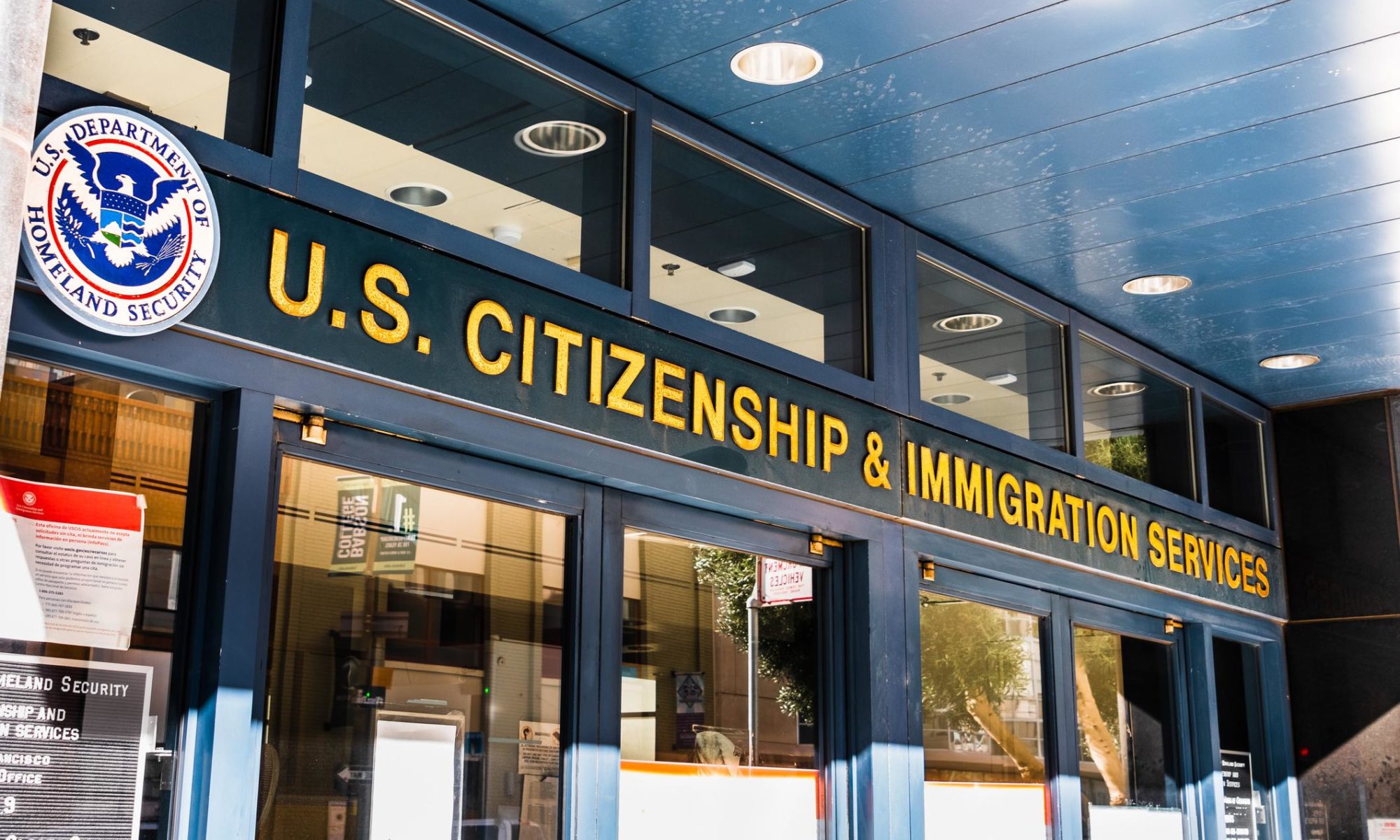
Legal immigrants with jobs, apartments, children and long-term plans built in America may soon be forced to leave the country under Trump’s crackdown on green cards that is shaking up families, universities and employers across the United States.
The policy change, announced by US Citizenship and Immigration Servicesit would require many foreign nationals already living legally inside the US to return to their home country before applying for permanent residency instead of completing the immigration process, which has been the norm for decades. Workers, spouses, students and refugees who believed they were already on the legal path to permanent citizenship are now trying to figure out how the change could affect them.
For some families, anxiety is immediate. People who have already bought homes, signed leases, changed jobs or had children enrolled in school suddenly face the possibility that one decision to immigrate could upend lives that were already financially strapped in the United States.
The administration said temporary visas were never intended to be the first step to permanent residency and described the move as a return to the “original intent” of immigration law. Immigration lawyers and advocacy groups pushed back almost immediately, warning that the changes could affect households and employers who have spent years making financial and employment decisions in a system that has remained largely unchanged for more than half a century.
Hospitals, universities, engineering firms and technology companies are now seeking to understand how many workers could suddenly disappear due to a backlog of international visas.
Some employers may simply give up waiting.
That possibility has long caused uneasiness in sectors struggling to hire enough skilled workers. Replacing skilled workers can take months, especially in health care, research and engineering roles where shortages were already growing before the new immigration changes.
Immigration advocates say the practical consequences can be dire very quickly. In several countries, the backlog of visa appointments has exceeded a year. Some applicants may leave the United States and find that there are no active U.S. embassies processing visas in their home country or that travel restrictions make returning more difficult than expected.
Phone calls to immigration law firms reportedly began ringing immediately after the announcement as families tried to understand whether applications for green cards, applications and travel plans might be rejected.
For the families who live by it, the financial exposure feels real. A worker forced overseas during the process may lose income, disrupt work or leave the entire family struggling to keep American debts paid in another country. Some couples can end up separating across borders while still paying rent, mortgage, child care and insurance costs in the US.
Some families are already delaying property purchases, career moves and long-term financial commitments because no one knows how enforceable the new rules will be.
The administration has not fully explained when the policy will begin, whether applicants will need to live abroad during the entire program or how existing green card cases may be affected. No one knows yet how many people may be trapped in long processing delays abroad.
Employers are also nervous, especially industries that already rely on foreign workers to continue operating. From hospitals to scientific research departments, many businesses now face a system that can be slow, difficult to predict and even more difficult for an international workforce to rely on.
Many immigrants who believed they were doing everything legally are now questioning whether the laws can change around them overnight.
Aid groups have warned that the consequences could hit families from countries where visa processing is already politically complicated or highly restricted. In some cases, applicants may leave America without knowing when they will see their spouses, children or employers again.
For immigrants who spend years building sustainable lives in Americafear is no longer limited to writing papers or the office. That sudden political upheaval can disrupt jobs, tear families apart and put long-term financial security in jeopardy almost overnight.