

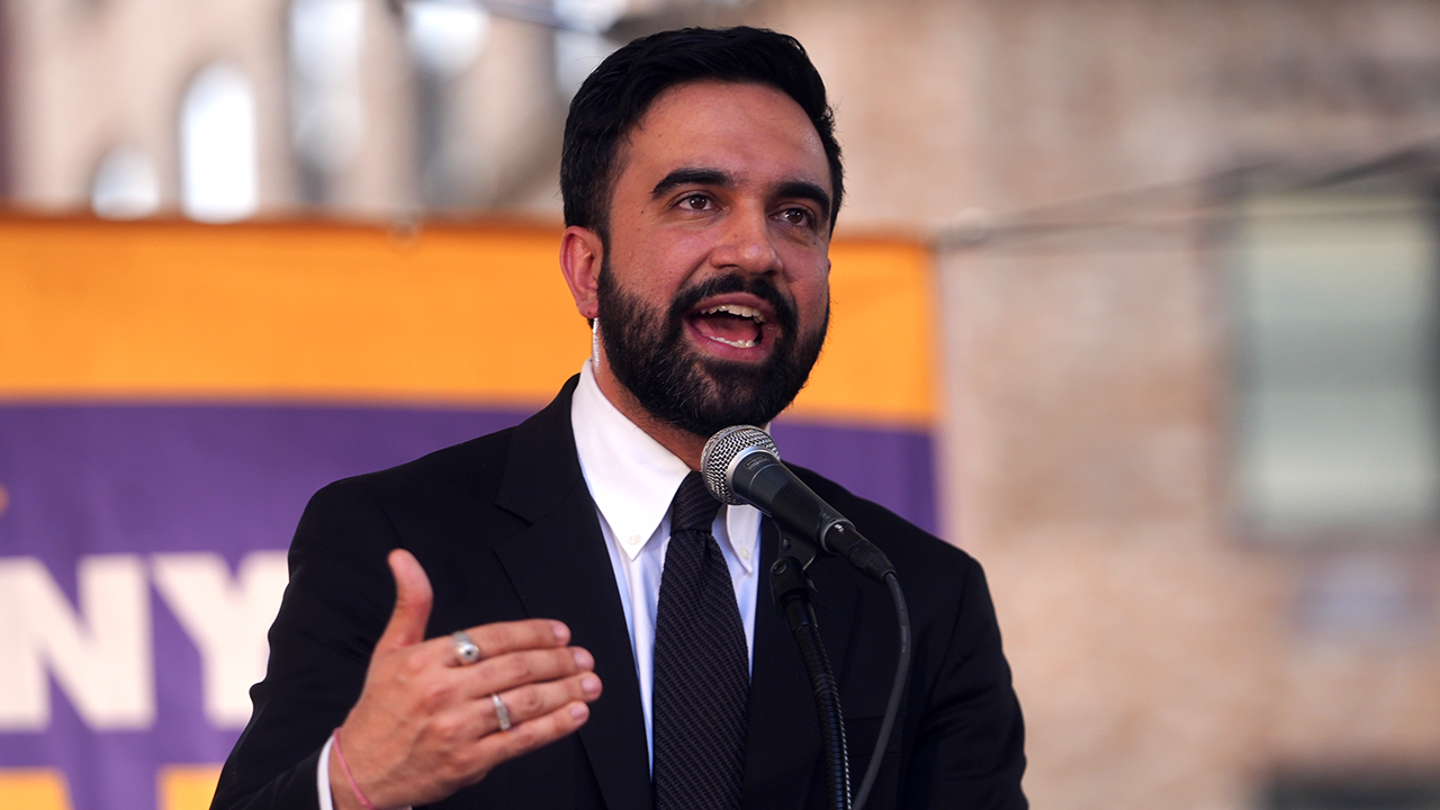
Mayor of New York City Zohran Mamdani is considering rolling back pass-through corporate tax credit (PTET) to help close the growing budget gap, and business leaders are warning that the move could drive companies and high earners out of town.
Short answer: reducing the PTET credit increases the effective tax burden on thousands of S corporations and LLCs, and that can directly change where those businesses choose to operate—and whether they live in New York at all.
PTET credit is introduced as a means of working within the limits of the organization under the Tax Cuts and Jobs Actwhich is the average state and local tax withholding (SALT). For many business owners, it has served as a critical solution against New York’s high tax environment. Bringing it back doesn’t just raise revenue—it changes the after-tax economy that supports local decisions.
This is where the risk lies. Policy makers often assume that tax changes primarily affect income levels. In fact, they affect behavior. Businesses are mostly represented here—mid-sized firms and professionals with average incomes $300,000 and $500,000-they are also very mobile. They can move revenue, restructure businesses, or move operations with little friction compared to large companies tied to physical infrastructure.
This creates a clear discrepancy between expectation and result, because while the policy assumes that reducing the tax liability will increase government revenue, the reality is that it can reduce the tax base if enough businesses respond by eliminating or postponing work. This shift has already been seen in other expensive cities such as London, where continued pressure on high earners and property owners has coincided with capital outflows and weak demand for real estate, showing how quickly tax sensitivity can translate into real economic activity.
The fiscal approach is straightforward but often underestimated, because when after-tax profits fall, the relative attractiveness of other areas increases, making states like Florida and Texas—which do not impose a state income tax—more materially competitive. For a business owner, a decision is not an opinion; it is arithmetic.
The second order effect is where the real exposure comes from. If enough firms default, the city risks losing not only tax revenue but also employment, commercial rent demand, and local spending. That creates a feedback loop: weaker activity lowers incomes, which increases pressure for more tax changes, which could trigger more outflows.
Time makes this very sensitive. The proposal comes at a time when New York’s economic climate has been described as weak, meaning businesses are less willing to incur additional costs. In strong cycles, tax increases may be tolerated. In uncertain situations, they may be quick to make decisions.
That’s why the debate goes beyond a single tax credit. It is about how the modern urban economy is responding to the low-cost shift. Money and talent are increasingly mobile, and small shifts in tax administration can redirect both.
For investors and business owners, the takeaway is clear. The PTET proposal isn’t just a fiscal fix—it’s a test of how far New York can push its tax base ahead of behavioral changes. If that limit is misjudged, the result may not be high income, but a smaller and more fragile economic base.